
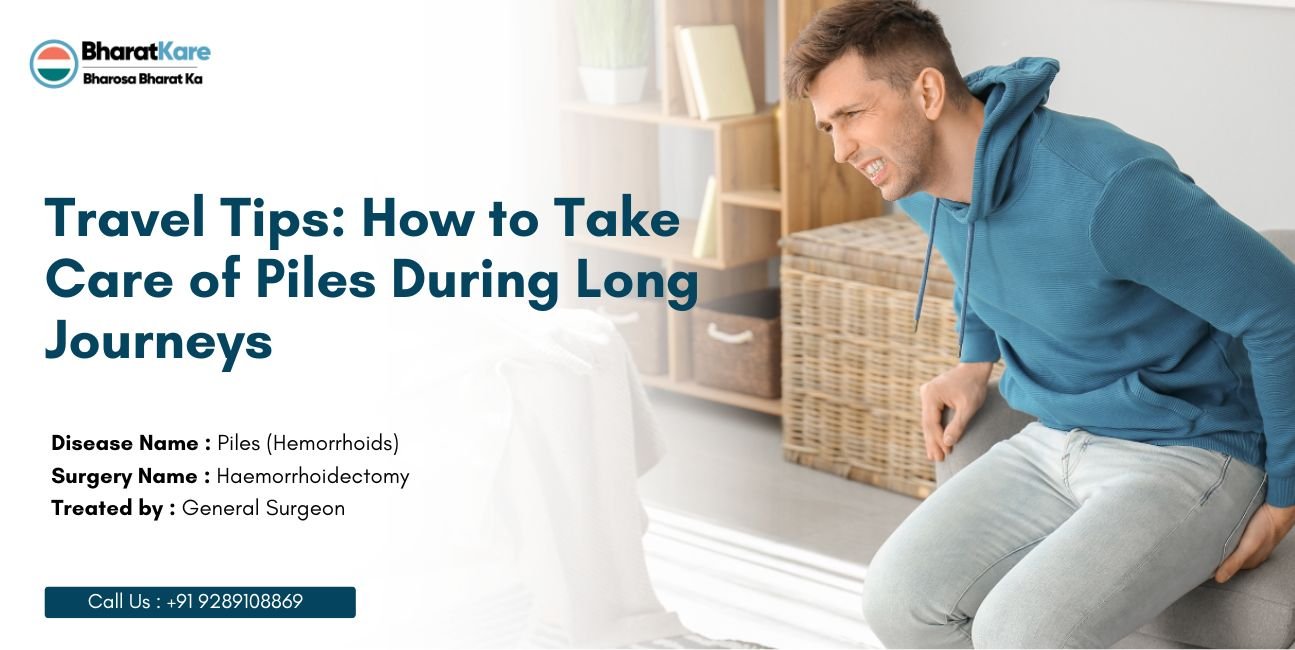
Travel Tips: How to Take Care of Piles During Long Journeys
Okay, so picture this – I’m squeezed into seat 32B on a packed flight to Seattle, and my hemorrhoids are absolutely killing me. We’re only two hours into what’s supposed to be a five-hour flight, and I’m already thinking about how I’m gonna survive this without completely losing my mind.
That was three years ago. Since then, I’ve probably taken fifty flights and driven thousands of miles, and I can honestly say I’ve cracked the code on how to take care of piles during long journeys without wanting to crawl into a hole and die.
Nobody really talks about this stuff, right? Like, when’s the last time someone casually mentioned hemorrhoids over coffee? But here’s the thing – tons of people deal with this, especially when traveling. And if you’re reading this, you probably know exactly what I’m talking about.
I’m gonna share everything I wish someone had told me before I learned it all the hard way. No sugar-coating, no medical jargon nobody understands. Just real talk about what actually works when you need to take care of piles during long journeys.
Happy Patients
500
K
Disease
98
+
Cities
20
+
Doctors
40
+
Why Travel Turns Hemorrhoids Into Your Worst Enemy
So here’s what happens that nobody warns you about. You sit down in that plane seat or car, and everything seems fine at first. But after an hour or two, it’s like your body starts staging a revolt.
All that sitting squashes everything together down there. Your blood can’t flow right, stuff starts swelling up, and boom – you’re miserable. Add in crappy airplane food, not drinking enough water because airplane bathrooms are gross, and the general stress of travel? Your hemorrhoids are basically throwing the world’s worst tantrum.
I remember one time driving from Denver to Phoenix – seemed like a good idea at the time. By hour four, I was ready to pull over and just walk the rest of the way. That’s when I realized I needed to get serious about figuring out how to take care of piles during long journeys.
The weirdest part is how unpredictable it all is. Sometimes I can sit through a three-hour movie just fine, but a two-hour bus ride leaves me walking funny for days. Makes no sense, but that’s hemorrhoids for you.
Don’t ignore the discomfort—consult a Take Care of Piles During Long Journeys. Book your appointment today!
Getting Your Act Together Before You Leave
Actually Talk to Your Doctor (I Know, I Know…)
Look, I get it. Walking into your doctor’s office and saying “Hey doc, my butt hurts when I travel” is about as fun as a root canal. But I’m telling you, it’s worth the awkwardness.
My doctor – who’s probably heard way worse stories than mine – gave me this prescription strength cream that’s like magic. She also told me about this fiber supplement timing trick that’s been a game changer. Take it two days before you travel, not the day of. Who knew?
Plus, she had all these tips I never would’ve thought of. Like how certain medications can make constipation worse, or why those little airplane pretzels are basically hemorrhoid fuel.
Don’t be like me and suffer through ten miserable trips before finally asking for help. Just rip the band-aid off and have the conversation. Your future self will thank you.
Pack Like You’re Going to Mars
After getting caught with nothing but airport gift shop aspirin too many times, I now pack like I’m never coming back. My little travel pharmacy lives in this beat-up toiletry bag that’s seen more airports than some flight attendants.
Here’s what’s always in there:
- Two tubes of the good prescription cream (because one always explodes or gets lost)
- Those fancy medicated wipes that don’t feel like sandpaper
- My inflatable donut thing (more on this later)
- Stool softeners and my fiber pills
- Regular ibuprofen for when everything hurts
- These cooling pad things that don’t need ice
The first few times I packed all this stuff, I felt ridiculous. Like I was admitting defeat or something. But then I got stuck in the Phoenix airport for eight hours with a connecting flight delay, sitting on those awful plastic chairs, and I was so grateful to have my little survival kit.
Seat Selection Can Make or Break Your Trip
Why I Always Pay Extra for Aisle Seats Now
I used to be one of those people who’d take any free seat and complain about it later. Window seats looked nice in the pictures, so that’s what I’d pick. What an idiot.
Aisle seats changed my whole travel game. You can get up whenever you want without doing that awkward shuffle past two strangers. You can stick your leg out a little when nobody’s looking. Most importantly, when you need to take care of piles during long journeys, you’re not trapped.
I’ve spent way too much money on seat upgrades over the years, but it’s worth every penny. The difference between being comfortable and being miserable for six hours is usually like twenty bucks. Best twenty bucks I ever spend.
For road trips, I’ve learned to claim the front passenger seat if I’m not driving. Way more room to adjust and move around. If I am driving, I mess with that seat position until it’s just right – slight recline to take pressure off everything, lumbar support so I’m not slouching.
The Cushion That Saved My Sanity (And My Dignity)
Okay, so hemorrhoid cushions. I was convinced these things were just embarrassing medical equipment that would make me look like I belonged in a nursing home. My mom bought me one for Christmas two years ago, and I literally hid it in my closet for six months.
Then I had this brutal eight-hour drive to my cousin’s wedding, and I was desperate. So I threw the thing in my car, figuring I’d use it if things got really bad.
Game changer. Complete game changer.
The new ones don’t even look that medical anymore. Mine just looks like a regular seat cushion until you notice the subtle hole in the middle. It takes all the pressure off exactly where you need it to, making it so much easier to take care of piles during long journeys.
The inflatable ones are perfect for travel because they squish down to nothing in your luggage. You can adjust how firm they are depending on how you’re feeling that day. I’ve used mine on planes, in rental cars, even on those horrible conference room chairs at work meetings.
Movement is Everything (Even When You Can Barely Move)
My 30-Minute Timer Trick
This one rule has probably saved me more misery than everything else combined: never sit still for more than thirty minutes. Period.
I set this little timer on my phone – just a gentle vibration so I’m not annoying everyone around me. When it goes off, I move somehow. Sometimes that means a trip to the bathroom even if I don’t really need to go. Sometimes it’s just standing up and pretending to get something from the overhead bin.
On flights where you’re stuck with the seatbelt sign on, I do these tiny exercises nobody can see. Flex my feet, roll my ankles, squeeze my butt muscles (sounds weird, but it helps). Anything to keep blood moving around down there.
It sounds so simple, but this one change made the biggest difference in my ability to take care of piles during long journeys. I went from arriving at my destination feeling like I’d been hit by a truck to actually being able to enjoy my trips again.
Airport Power Walking (It’s a Thing Now)
I used to hate layovers. Just sit at the gate, scroll through my phone, maybe grab some overpriced airport food. Now I see layovers as free gym time.
Most airports are huge, and you can easily walk a couple miles just going from terminal to terminal. I’ve found massage chairs hidden in random corners, quiet gardens I never knew existed, even yoga rooms in some places.
Denver airport has this cool art installation you can only see if you take the train between terminals. Seattle has that butterfly garden. Phoenix has… well, Phoenix has really good walking because it’s laid out in a straight line.
The point is, those two-hour layovers that used to make me grumpy? Now I use them to walk off all that sitting time and show up at my next gate feeling halfway human.
Road Trip Reality
For car trips, I plan my route around interesting stops now instead of just rushing to get there. Every hour, we’re pulling over somewhere. Gas stations, scenic overlooks, those weird roadside attractions that make good stories later.
My favorite stops are rest areas with walking trails. Even just walking in circles around a parking lot for five minutes helps when you’re trying to take care of piles during long journeys. Yeah, you might look a little weird, but who cares?
I’ve discovered some pretty cool places this way. There’s this rest stop in Utah with petroglyphs, and one in Kansas that has the cleanest bathrooms I’ve ever seen in my life. Making frequent stops turned road trips from endurance tests into actual adventures.
Sneaky Exercises That Don’t Look Ridiculous
When you absolutely cannot get up – like during takeoff or when you’re stuck in traffic – these little movements actually help:
Squeeze your butt muscles and hold for ten seconds, then relax. Nobody can tell you’re doing this, and it gets blood moving. Push your feet hard into the floor like you’re trying to lift yourself up. Roll your shoulders around. Take some deep breaths and try to relax everything.
I do these during the worst parts of flights – takeoff, landing, when we’re stuck on the tarmac forever. They keep me from feeling completely trapped in my own body.
Food and Drink Strategy (This Matters More Than You Think)
The Great Water Balancing Act
Staying hydrated helps prevent constipation, which is like hemorrhoid enemy number one. But drink too much water on a plane, and you’re bothering your poor seatmate every twenty minutes to get to the bathroom.
I’ve figured out this system where I drink small sips constantly instead of chugging whole bottles. Like, every time I think about it, just a small sip. Keeps me hydrated without turning me into that annoying person who’s up and down the whole flight.
I avoid alcohol when I’m traveling now – learned that lesson the hard way on a flight to Vegas. Makes you dehydrated and can mess with your digestion. Coffee’s okay in moderation, but too much caffeine can make everything worse.
Airport Food Is Basically Poison
Most airport food is terrible for your digestive system. All that processed, salty, greasy stuff just makes inflammation worse. I pack my own snacks now, and it’s made a huge difference.
My go-to travel foods: apples (fiber plus they don’t get mushy), almonds, whole grain crackers, and yeah… prunes. I don’t advertise the prunes, but they work.
I avoid anything too spicy or salty when I’m traveling. That includes those fancy airport restaurants – I learned this after a “mild” Thai curry in Chicago left me miserable for two days.
Meal Timing Matters
Big meals right before travel are a mistake I’ve made too many times. Your whole system gets sluggish, everything feels bloated, and if you’re on a plane, you’re stuck feeling awful with nowhere to go.
I eat lighter on travel days now. Smaller meals more often instead of three big ones. If I’m flying, I try to time it so I’m not dealing with a full stomach during takeoff when you can’t get up easily.
Bathroom Strategy (Yeah, We’re Going There)
Planning Ahead Saves Your Life
Before any trip, I research bathroom locations like I’m planning a military operation. For flights, I check where the bathrooms are when I board and pick seats accordingly. For road trips, I map out rest stops ahead of time.
There’s actually an app called SitOrSquat that rates bathroom cleanliness. Sounds ridiculous, but it’s been a lifesaver on road trips through the middle of nowhere. Nothing worse than finally finding a gas station and discovering their bathroom is basically a health hazard.
The Golden Rule: Go When You Need to Go
This might be the most important thing I’ve learned: when nature calls, answer immediately. Don’t wait for a “better” bathroom or a “more convenient” time.
Holding it in leads to constipation, which makes hemorrhoids a million times worse. Yeah, it’s awkward asking your seatmate to move. Yeah, you might have to wake someone up. But trust me, the alternative is being miserable for days.
I’ve had to interrupt important conversations, leave movie theaters mid-scene, and pull over on busy highways. Every single time, it was worth the minor inconvenience to avoid major problems later.
Portable Hygiene Kit
I always travel with a small hygiene kit now: travel packs of gentle wipes, a little bottle of mild soap, and one of those portable bidet bottles for longer trips.
Sounds gross maybe, but you never know what kind of facilities you’ll encounter. Being able to clean up properly makes such a difference when you’re trying to take care of piles during long journeys.
The portable bidet thing was a game changer. Fits in your carry-on, uses regular water, and makes you feel so much cleaner and more comfortable. Wish I’d discovered it years ago.
Don’t ignore the discomfort—consult a Take Care of Piles During Long Journeys. Book your appointment today!
Flying With Hemorrhoids (Special Circle of Hell)
Cabin Pressure Is Real
The pressure changes during takeoff and landing can mess with your circulation. I started wearing compression socks on all flights – the kind that go up to your knees – and it helps with overall comfort.
I put them on before I even leave for the airport and keep them on until I get to my hotel. They’re not specifically for hemorrhoids, but better circulation helps everything feel better. Plus they prevent that awful leg swelling you get on long flights.
Never Check Your Survival Kit
I learned this lesson the hard way when my bag got lost for four days in Minneapolis. There I was, stuck in a city I didn’t know, with nothing but the clothes on my back and a hemorrhoid flare-up from hell.
Now my carry-on always has a medical kit with pain relievers, my prescription cream, wipes, and even a small inflatable cushion. Takes up barely any space but gives me peace of mind that I can handle whatever happens.
TSA has never given me trouble about any of it. Medicated creams and pills in clearly labeled containers are totally fine. The cushion just looks like any other travel pillow.
Making Layovers Work for You
I used to hate long layovers, but now I see them as opportunities to reset. Walk around, find a quiet corner to stretch, maybe even find a massage chair if the airport has them.
Some airports have amazing amenities if you know where to look. Yoga rooms, meditation spaces, even nap pods in some places. Perfect for doing some real stretching or just giving yourself a break from sitting.
Road Trip Survival
Car Setup That Actually Works
If you’re driving, spending five minutes adjusting your seat properly can save you hours of misery later. I set mine with a slight recline – not enough to be dangerous, but enough to take pressure off sensitive areas.
A good lumbar pillow helps maintain posture, and I always use my donut cushion now. Yeah, it might look a little medical, but comfort beats appearance when you’re trying to take care of piles during long journeys.
I also adjust my mirrors and steering wheel so I’m not stretching or straining to reach anything. The goal is to be as relaxed and comfortable as possible while still being safe.
Strategic Stopping
I plan my route around good stopping points now. National parks with easy walking trails, shopping centers where I can wander around, even those big truck stops that have walking areas.
The trick is stopping before you feel like you absolutely have to. Once you’re uncomfortable, it’s usually too late to prevent a flare-up. I stop every hour whether I think I need to or not.
Some of my best road trip memories have come from these planned stops. Random historical markers, weird local attractions, beautiful viewpoints I never would have seen if I’d just driven straight through.
Being a Good Passenger
When I’m not driving, I take full advantage. Adjust the seat constantly, prop my feet up when possible, and don’t feel guilty about asking for stops when I need them.
Good travel companions understand that everyone has different needs. If you’re traveling with people who don’t know about your condition, you can just say you need frequent breaks for your back or circulation. Most people are cool with that.
Public Transportation Challenges
Making the Best of Limited Options
Buses and trains are trickier because you have less control, but there are still ways to make it work. I always request aisle seats when booking and bring my own cushion regardless of weird looks.
On trains, I walk to different cars when possible. The movement helps, plus it’s interesting to see different sections of the train. On buses, I take advantage of every single rest stop to walk around, even if it’s just pacing around the parking lot.
Dealing With What You Get
Sometimes you’re stuck with terrible seats, no cushion space, limited bathroom access. In these situations, I focus on the small stuff I can control: staying hydrated, doing tiny exercises, using my supplies when needed.
The key is not letting frustration make everything worse. Bad travel days happen, but they’re temporary. I’ve survived some pretty miserable bus rides and lived to tell about it.
Weather Makes Everything Harder
Summer Travel Nightmare
Heat makes everything worse – more swelling, more discomfort, more misery all around. I learned this during a July road trip through Arizona when I thought I was gonna die.
Now I dress in loose, breathable clothes for summer travel and pack extra cooling gel pads. They don’t need refrigeration and provide instant relief when temperatures make everything unbearable.
Air conditioning is your friend, but don’t go too cold too fast. Sudden temperature changes can cause muscle tension, which just adds to the problem.
Winter Travel Issues
Cold weather causes muscle tension, which makes hemorrhoid pain worse. I layer my clothes so I can adjust easily, and I never apply cold medications directly to skin.
I learned to let my creams and gels warm up to room temperature before using them. Cold medicine on sensitive skin is basically torture, and there’s no reason to make things worse than they already are.
High Altitude Weirdness
Mountain travel affects your circulation and hydration needs. I drink extra water at high altitudes and pay closer attention to my symptoms.
Interestingly, the lower air pressure can sometimes actually provide a bit of relief from pressure symptoms. I’ve had some of my most comfortable travel days in places like Denver or Santa Fe.
Technology That Actually Helps
Apps Worth Having
I use a few apps that genuinely help me take care of piles during long journeys:
- A simple movement reminder app that buzzes every 30 minutes. Nothing fancy, just a gentle reminder to move somehow.
- SitOrSquat for finding decent bathrooms during road trips. Game changer for long drives through unfamiliar areas.
- A meditation app for stress management. Stress definitely makes symptoms worse for me, so having guided breathing exercises helps.
- A basic symptom tracking app to identify patterns. Turns out altitude affects me more than I thought, and spicy food is always a bad idea before travel.
Wearable Tech Benefits
My fitness tracker reminds me to move and tracks my stress levels. High stress days correlate with worse symptoms, so the data actually helps me manage both.
The step counter motivates me to walk more during layovers instead of just sitting at the gate scrolling through my phone for hours.
When Everything Goes Wrong
Red Flag Symptoms
Most flare-ups are manageable with my usual routine, but sometimes you need real medical help. I don’t mess around with:
Heavy bleeding that doesn’t stop with my normal treatments Pain so severe that my prescription stuff doesn’t even touch it Any signs of infection – fever, weird discharge, anything that seems off Not being able to go to the bathroom for more than two days
Finding Help in Strange Places
Before big trips, I research urgent care options at my destination. I keep a list in my phone and make sure my insurance covers emergency care wherever I’m going.
I also carry a simple medical summary with my medications and my doctor’s contact info. If I end up in an emergency room somewhere, they need to know what I’m already taking and what’s worked in the past.
Learning From Every Trip
Keeping Track of What Actually Works
I keep notes in my phone about what worked and what didn’t on each trip. Did that new cushion help? Was the aisle seat worth the extra money? Which foods made me feel better or worse during travel days?
Over time, this has created a personal database of what works for my specific situation. Everyone’s different, and what works for my friend might be terrible for me.
Adjusting for Different Trip Types
Business travel requires different strategies than vacation travel. A quick weekend trip needs different prep than a two-week international adventure.
I’ve developed flexible approaches that I can adapt based on where I’m going, how long I’ll be gone, and who I’m traveling with.
Family Travel Complications
Traveling with family when you’re trying to take care of piles during long journeys requires some diplomacy. I’m honest about needing frequent stops and movement breaks without going into graphic detail about why.
Most people are understanding when you explain that you have a medical condition requiring accommodations. Kids actually adapt to frequent stops better than adults most of the time.
Professional Help Options
Telehealth Saves the Day
Many doctors offer video consultations now, which has been incredible for travel. If symptoms get weird or I need medication adjustments while I’m away, I can talk to my doctor from anywhere with WiFi.
This has saved me from sketchy urgent care visits in unfamiliar cities and given me peace of mind during longer trips. Worth every penny of whatever my insurance doesn’t cover.
Building a Medical Team
Having a good relationship with my doctor makes everything easier. We talk about upcoming trips during regular visits, adjust treatments if needed, and make sure I’m prepared for different scenarios.
Prevention is so much better than dealing with a major flare-up when you’re stuck in an airport somewhere with no familiar resources.
The Long Game
Building Better Habits
The stuff that helps me travel comfortably is the same stuff that keeps me healthy at home: regular exercise, eating fiber, managing stress, staying on top of medical care.
I think of good hemorrhoid management as an investment in every future trip I want to take. The better I take care of things day-to-day, the less I have to worry when I travel.
Getting Confident About Travel Again
Each successful trip builds my confidence that I can handle whatever comes up. I used to plan my whole life around avoiding long car rides or flights. Now I book international trips without even thinking twice about it.
The key was realizing that hemorrhoids are just something I have to manage, not something that has to control my life. With the right prep and mindset, I can take care of piles during long journeys and focus on actually enjoying my travels.
Bottom Line
Learning how to take care of piles during long journeys has honestly been life-changing. I went from dreading any trip longer than an hour to confidently booking week-long road trips and international flights.
Yeah, there were some really miserable experiences while I figured it all out. That flight to Seattle I mentioned at the beginning? Absolute nightmare. But each terrible trip taught me something that made the next one better.
The strategies I’ve shared here aren’t from medical textbooks – they’re things I learned through trial and error (mostly error) over hundreds of trips. Whether you’re dealing with hemorrhoid pain during travel, trying to figure out constipation prevention while traveling, or just looking for comfortable seating for hemorrhoids, these approaches work.
Remember, everyone’s different. What saves my life might need tweaking for your situation. The important thing is to start with proven strategies and then adjust based on your own experiences.
Professional medical support makes a huge difference too. Having a doctor who understands travel challenges and can provide personalized advice has made my life so much easier.
Don’t let hemorrhoids dictate your life. With the right preparation and strategies, you can absolutely take care of piles during long journeys and get back to enjoying travel. Every successful trip proves that these challenges are manageable, not limiting.
Ready to plan your next adventure? Start with these strategies, talk to your doctor about your travel plans, and remember – you’ve got this. Millions of people travel comfortably with hemorrhoids every day. There’s no reason you can’t be one of them.
Tags :- Painless Piles Laser Surgery Clinic Near Me in Vadodara, Piles Surgery Recovery Time, Laser Surgery for Piles: Cost, Benefits, and Recovery Time, Comparison between Piles and Anal Fistula, Laser Piles Surgery Options in Patna, Step-by-Step Guide to Recovery After Piles Operation, Low Cost Piles Laser Surgery in Vadodara, Affordable Piles Treatment Near Me, Best Piles Specialist in Ahmedabad Near Me, Affordable Piles Treatment Laser Surgery, Top 5 Reasons Your Piles Aren’t Healing” , Piles Home Remedies not working, Painless Piles Treatment a Reality
FAQ
FAQs About Take Care of Piles During Long Journeys: Answering Your Most Common Queries
Bharatkare: Bharat Ka Bharosa, Swasthya Ki Zimmedari.
Quick Links
Popular Surgeries
Legal
Find Us
© Copyright BharatKare 2025. All Right Reserved.